PRACTICAL NEURODIVERGENT LIFE SUPPORT

Making room for different thinkers

Divergence Life supports neurodivergent people directly, and helps workplaces and community organisations remove the barriers that make everyday life harder than it needs to be. We provide one-on-one coaching, coaching workshops, group support, training and mentoring. 

HOW WE CAN HELP

Supporting people, increasing inclusion

Small changes can make a huge difference, both in how we engage with the world and how we tweak the world to engage with us. We help with both. 

For individuals

Practical, affirming coaching that starts with your priorities, your circumstances and the way your brain works.

For workplaces

Help to find unnecessary friction, change everyday practice and build workplaces where different thinkers can contribute effectively.

For activity providers

Support for sport, arts, recreation and social providers who want more neurodivergent people to take part and belong.

FOR INDIVIDUALS

Support shaped around how you actually live and think 

Neurodiversity coaching can help you understand what is creating friction, work out what matters to you and build practical ways forward without asking you to become someone else.

What we work on 

Coaching is practical and forward-looking, and starts with your priorities. You decide what a useful outcome looks like. It might include: 

  • Understanding your own patterns, needs and strengths
  • Planning, routines, transitions and getting started
  • Communication, boundaries and asking for what you need
  • Work, study, relationships and everyday decision-making
  • Recovering from overload and building sustainable expectations

FOR WORKPLACES

Move from awareness to everyday practice

Neuroinclusive work is an operating approach that reduces avoidable friction and gives more people the conditions to contribute effectively.

Where we can help

We can review its current practices, identify high-friction points, agree realistic priorities and support implementation. The work may include facilitated conversations, workshops and training, but does not end with simple awareness.

  • N
    Understanding what neurodivergent employees actually experience
  • N
    Improving recruitment, selection and onboarding processes
  • N
    Role clarity, task design and protected focus
  • N
    Meetings, communication, feedback and team relationships
  • N
    Workspaces, flexibility and sensory conditions
  • N
    Manager confidence and timely individual support
  • N
    Development, progression and recognition of specialist contribution

FOR ACTIVITY PROVIDERS

Help more people take part, stay and belong

We work with providers of sport, arts, recreation and other social activities to make participation more accessible, enjoyable and sustainable for neurodivergent people.

Good inclusion is good activity design

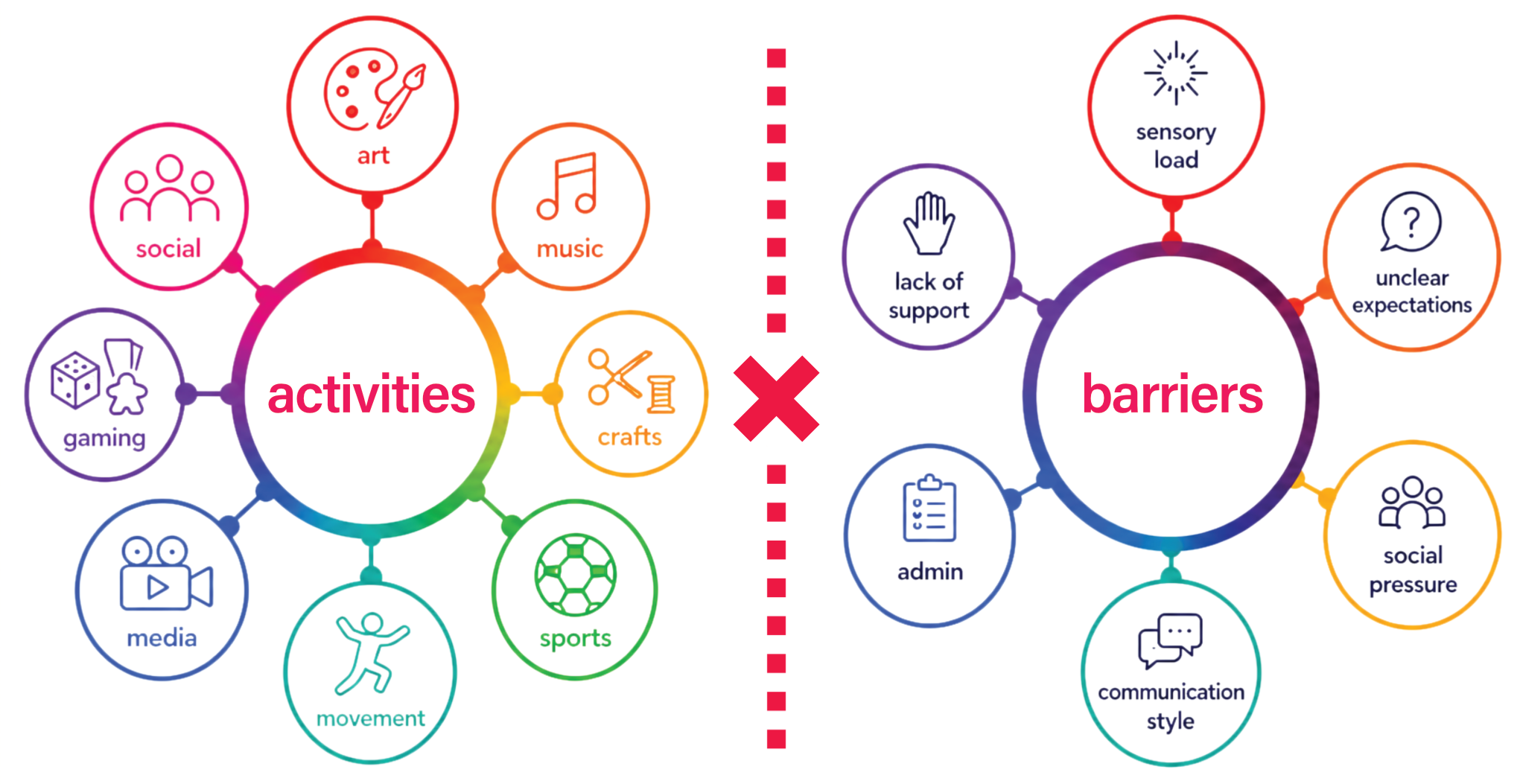
People may not join in, or may stop attending because instructions are unclear, transitions are abrupt, sensory demands are high, or the social rules are left unspoken. These barriers are easy to remove and doing so increases the quality of the activity for everyone.

  • Reviewing the participant journey from first enquiry onwards
  • Clearer communication and preparation before sessions
  • Predictable structure and supported transitions
  • Sensory and environmental adjustments
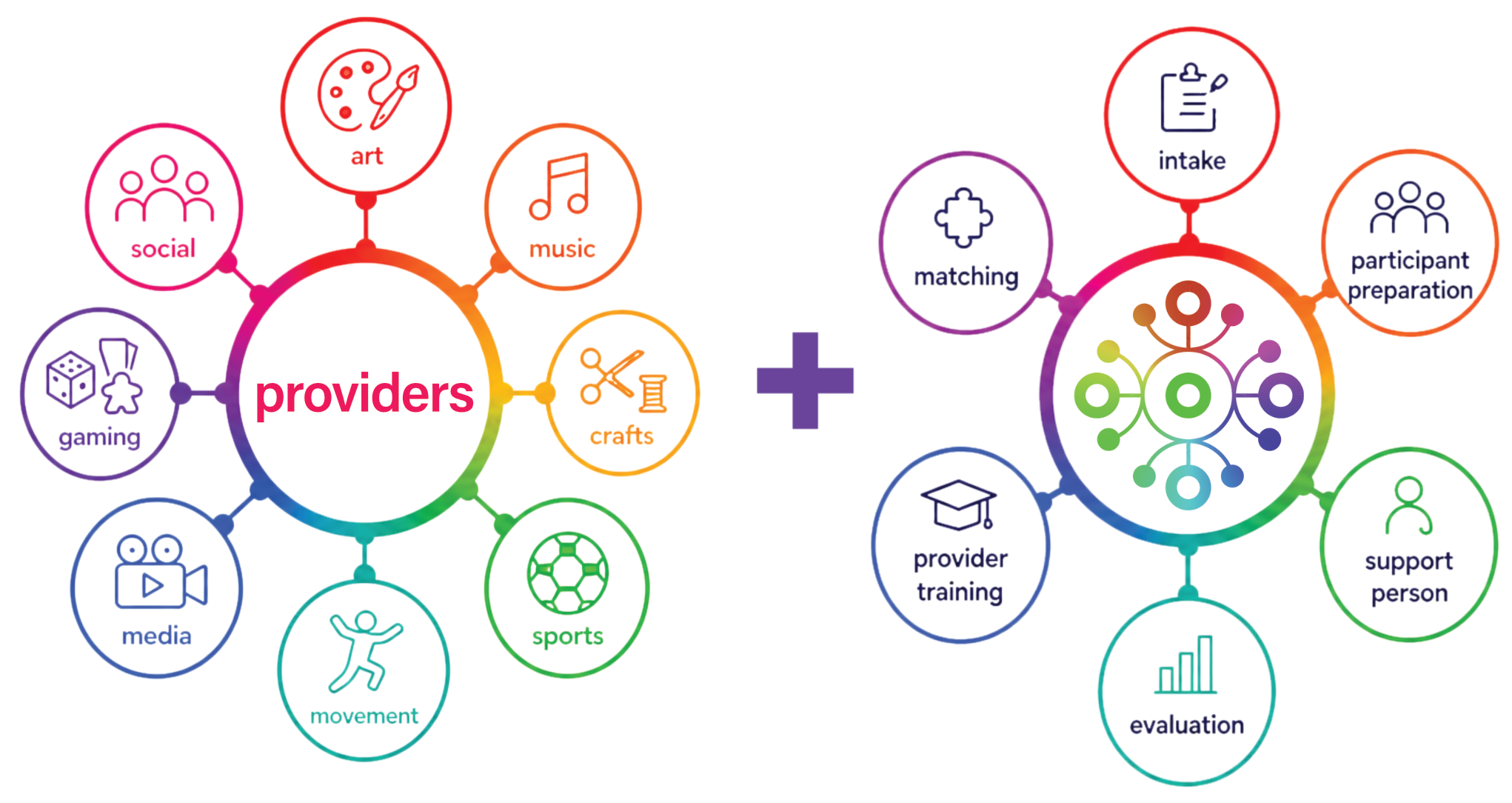
  • Intake, matching, support people and evaluation for dedicated groups

The State of Play

Our work within sport is informed by the State of Play programme: a practical approach written by the Divergence team covering participation, coaching quality, wellbeing and community inclusion in sport across Aotearoa.

This downloadable guide reviews the current evidence on the participation of neurodivergent people in sport, including: 

  • Introduction to neurodivergence
  • The social model of disability
  • Inclusion in sport in Aotearoa New Zealand
  • International evidence - interest is not the problem
  • How exclusion happens
  • How some inclusive practices fall short
  • The role of family and lived experience
  • What good practice looks like
  • A practical model for neurodivergent inclusion

OUR STARTING POINT

Inclusion is not asking people to fit unchanged systems

We meet neurodivergent people as they are, make room for different ways of participating, and work to remove barriers rather than training people to hide their differences.

  • =
    Practical rather than performative
  • =
    Led by the person, not imposed on them
  • =
    Grounded in evidence, experience and everyday reality

Tell us what you want to achieve

You do not need to know which service or support you need before getting in touch.